Recycling and Sustainability for Man With Van Holland Park
 At Man With Van Holland Park, sustainability is part of how we plan, load, and complete every move. Our approach to recycling in Holland Park is built around practical action: reducing waste, separating reusable items, and supporting local disposal routes that keep as much material as possible out of landfill. In a neighbourhood known for leafy streets, period homes, and careful property management, a responsible Man With Van Holland Park service should reflect the same attention to detail in the way it handles unwanted items and packing materials.
We work toward a clear recycling percentage target, aiming to divert at least 85% of suitable move-related waste from landfill through reuse, recycling, and recovery. That includes cardboard, paper, metal, rigid plastics, textiles, and selected wood items where they can be processed correctly. The goal is not simply to remove clutter, but to make sure a Holland Park man with van service contributes to a cleaner local environment and a more circular use of resources.
 Much of this starts with careful sorting. During house clearances and removals, we separate reusable household items from materials that need specialist treatment. Clean cardboard is kept apart from mixed waste, while metal fixtures and small appliances are routed for recycling when suitable. In areas managed by borough recycling systems, such as the wider Westminster and Kensington & Chelsea approach to waste separation, sorting at source matters. By following a structured method, Man With Van Holland Park helps ensure recyclable streams stay cleaner and easier to process.
Local Recycling Routes and Responsible Disposal
Our work also depends on using the right local facilities. We make use of nearby transfer stations and authorised waste facilities to direct materials to the most appropriate processing route. These sites help manage bulk loads from moves, especially when there are large volumes of packing waste, broken furniture, or mixed household items. For a man with van in Holland Park, choosing local transfer points reduces unnecessary mileage and supports a more efficient waste chain.
Another key part of our sustainability plan is reuse. Items that still have value are separated before recycling decisions are made. This is especially important during flat moves, office clearances, and end-of-tenancy work where furniture, books, kitchenware, and small electrical items may be in good condition. Rather than sending everything to a recycling stream, Man With Van Holland Park prioritises reuse first, then recycling, then responsible disposal. This order helps lower environmental impact and keeps useful goods in circulation for longer.
 We also keep an eye on the materials commonly generated in local moves. In and around Holland Park, many properties use careful sorting for glass, plastics, paper, food waste, and garden waste, and we align our loading and disposal practices with that broader borough ethos. Where packaging comes from removals, we flatten boxes, bundle paper cleanly, and separate polystyrene or mixed protective wraps when they need different treatment. That small effort makes a real difference to the efficiency of recycling systems and supports the area???s wider waste separation standards.
Partnerships, Reuse, and Charitable Support
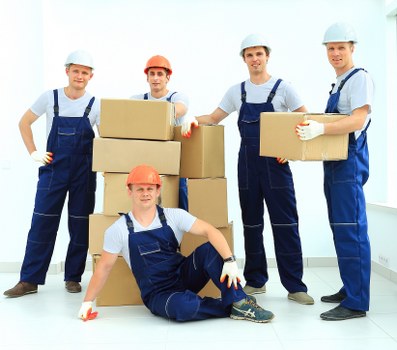 We believe sustainability should also have a social benefit. That is why Man With Van Holland Park works with local charities and reuse organisations whenever suitable items can be donated. Sofas, tables, shelving, clothing, books, and household goods that remain in usable condition may be passed on to charities or community reuse channels, depending on item condition and local acceptance rules. These partnerships reduce waste, support people who need affordable essentials, and give items a second life instead of a final trip to disposal.
Our charitable partnerships are especially helpful during large clearances, where families or landlords want a more thoughtful outcome than simple removal. A Holland Park man with van service can identify donation-ready goods early in the process, allowing them to be set aside before mixed waste is loaded. This not only improves recycling performance, it also creates a more responsible and community-minded moving service that matches the values of residents who care about sustainability.
We also pay attention to specialist recycling activities relevant to the area, including small WEEE items, batteries, light fittings, and other household pieces that should never be placed in general waste. By separating these items correctly and directing them to approved recycling channels, Man With Van Holland Park helps reduce contamination and supports safer material recovery. That is particularly important in dense residential streets where improper disposal can quickly become a nuisance.
Low-Carbon Vans and Smarter Moving Practices
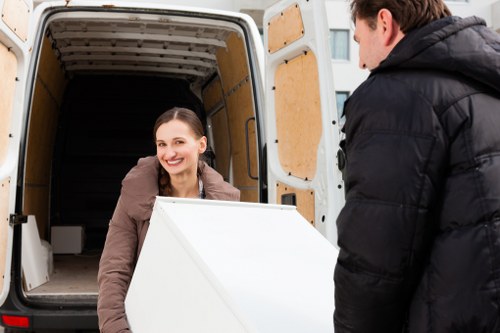 Transport is another major part of our sustainability strategy, which is why we invest in low-carbon vans and efficient route planning. Our vehicles are selected to reduce emissions where possible, and loads are organised to minimise repeat trips. For a Man With Van Holland Park operation, fewer journeys mean lower fuel use, less congestion, and a smaller carbon footprint across the move. This is especially valuable in busy west London streets where smart scheduling can reduce idling and unnecessary driving.
We also keep our operations lean by using reusable packing aids where possible and limiting single-use materials. Protective blankets, straps, and load-securing equipment are maintained for repeated use, which cuts down on disposable alternatives. When packing materials are unavoidable, we sort them carefully so they can be recycled appropriately after the move. This practical approach allows a Holland Park man with van service to stay both efficient and environmentally aware.
Ultimately, recycling and sustainability are not side notes to our service; they are built into how Man With Van Holland Park works every day. From a target to recycle the majority of suitable waste, to the use of local transfer stations, to charitable partnerships and lower-emission vehicles, each step is designed to reduce environmental impact. In a borough where careful waste separation and responsible resource use are already part of the local culture, our aim is to contribute positively with every move.