Holland Walk furniture delivery and removals logistics guide
Posted on 21/06/2026
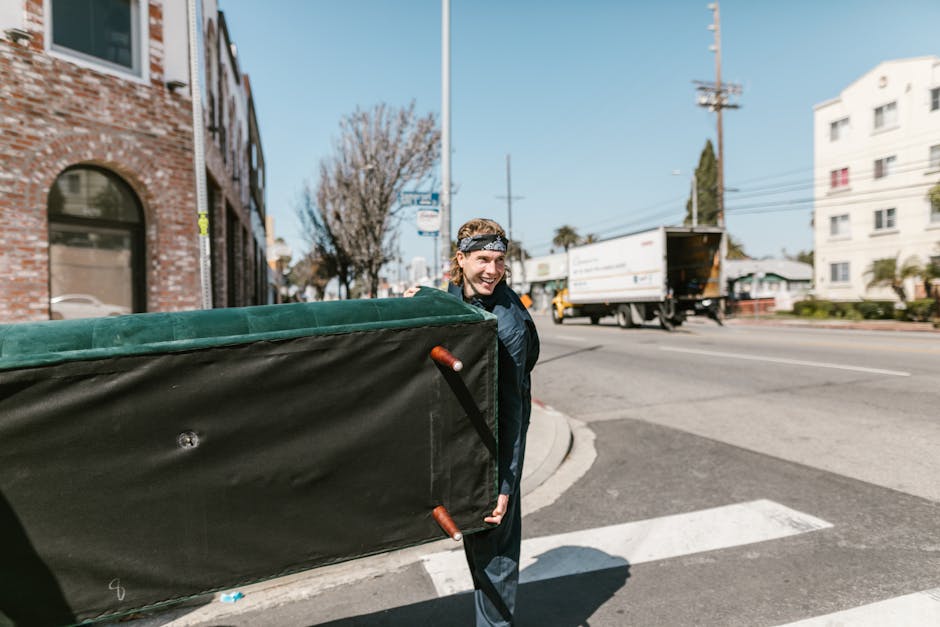
Moving furniture in and around Holland Walk can look straightforward on paper, then suddenly become a bit of a puzzle once you hit the real-world details: narrow entrances, parking pressure, tight time windows, fragile pieces, and the simple fact that a sofa never seems as light as it did in the showroom. This Holland Walk furniture delivery and removals logistics guide is designed to help you plan the job properly, whether you are delivering a single item, shifting a full flat's worth of furniture, or coordinating a more complex local move. You will find practical steps, local considerations, and the sort of logistics advice that saves time, money, and nerves.
Truth be told, most moving stress comes from avoidable mistakes rather than the lifting itself. Get the route, access, packing, timing, and vehicle choice right, and the day feels much calmer. Let's walk through the essentials so you can make better decisions before the van even pulls up.
Why Holland Walk furniture delivery and removals logistics guide Matters
Furniture moves look simple until logistics get involved. A dining table might fit your home perfectly, but getting it through a hallway, down stairs, around a corner, and into a vehicle can be the part that slows everything down. In a London setting, that delay compounds quickly. One blocked bay, one awkward lift, one forgotten piece of packaging, and the whole schedule starts sliding.
That is why a good logistics plan matters. It does three things at once:
- reduces damage risk to furniture, walls, and floors;
- keeps the moving team working efficiently;
- helps you avoid unnecessary waiting time or repeat trips.
In practical terms, logistics is the difference between "we managed it" and "that went smoothly." And if you are coordinating expensive or awkward items, smooth is what you want.
Holland Walk and the surrounding Holland Park streets can also bring typical local challenges: limited loading space, busy traffic at certain times, and properties where access is better suited to smaller vehicles or a careful hand-carry plan. This is exactly where an experienced approach helps. For a broader view of the services often used in the area, it can be useful to compare details alongside furniture removals in Holland Park and the wider removal services offered locally.
Expert summary: If the furniture is valuable, heavy, awkward, or going into a property with tricky access, the logistics plan matters as much as the van itself. Often more.
How Holland Walk furniture delivery and removals logistics guide Works
At its core, furniture delivery and removals logistics is a chain of small decisions. Each decision affects the next one. That is why the best plans start before move day, not when someone is already standing on the pavement with a trolley.
Here is the basic flow:
- Assess the furniture - size, weight, fragility, shape, and whether it can be dismantled.
- Check access at both ends - stairs, lift availability, doorway width, corridor turns, loading point, and parking restrictions.
- Choose the right vehicle - a smaller van, a larger removal van, or a man and van setup depending on volume and access.
- Plan the loading order - heavy and sturdy items first, delicate items protected and separated.
- Prepare the property - floor protection, cleared walkways, reserved parking if possible, and good lighting where needed.
- Move with a sequence - load methodically, secure the cargo, and unload in the right room order at the destination.
That may sound neat on paper, and to be fair, a good team makes it look almost easy. But the real value is in the small details. For example, a flat-pack wardrobe might be technically movable as one unit, but if the hallway turns are tight, dismantling it first can save fifteen minutes and a headache. Small call, big effect.
Some households also need a hybrid approach. Maybe a few items go into storage first, while the rest go straight to the new address. In that case, coordination with storage options in Holland Park can make the move less pressured and more flexible.
Key Benefits and Practical Advantages
Good logistics is not just about avoiding chaos. It creates real operational benefits that people notice immediately.
Faster moving day flow
When access, packing, and vehicle choice are planned properly, the loading team spends more time moving furniture and less time problem-solving on the pavement.
Lower damage risk
Protective wrapping, correct handling, and sensible stacking reduce the chance of scratches, dents, or broken fittings. That is especially important for polished wood, glass tops, marble, mirrors, and upholstered pieces.
Better control over costs
Time overruns are one of the easiest ways for a move to become more expensive than expected. Efficient logistics help keep the job within the booked window, which is good news whether you are paying by the hour or on a fixed arrangement.
Less disruption to neighbours and building users
Quick loading, clean paths, and sensible timing help avoid unnecessary friction in shared buildings. Anyone who has tried moving a heavy sofa past a neighbour's morning rush knows how valuable that is.
Reduced stress for you
There is real peace of mind in seeing a move unfold in order. Boxes are labelled. The van is the right size. The team knows where the difficult item goes. No one is improvising under pressure. Lovely, honestly.
If you are still comparing options, a wider overview of local transport and crew types can be helpful. You may also want to look at man with a van support in Holland Park, man and van services, or a dedicated removal van in Holland Park depending on the scale of your move.
Who This Is For and When It Makes Sense
This guide is useful for a wide range of people, but it is especially relevant if your move has any of the following characteristics:
- you are moving heavy or bulky furniture within Holland Walk or nearby streets;
- you need delivery into a flat, maisonette, or upper-floor property;
- you are buying or selling furniture and need a careful handover;
- you are moving in stages and may need temporary storage;
- you have items that are fragile, valuable, or awkward to disassemble;
- you need same-day or short-notice support;
- you are managing a student, office, or small household move with limited time.
It also makes sense if you are unsure what type of service is appropriate. Many people assume they need the biggest vehicle available, but that is not always true. Sometimes a smaller, better-placed van with an experienced team is the smarter choice. Sometimes not. The point is to match the vehicle and crew to the actual job, not the wishful version of it.
For smaller moves and lighter furniture collections, same-day removals in Holland Park can be a practical fallback when plans change quickly. For larger households, house removals or flat removals may be the better fit.
Step-by-Step Guidance
A tidy logistics plan saves more than time. It stops decisions being made in a rush, and rushed moving decisions are rarely good ones. Here is a practical approach you can follow.
1. List every item that needs moving
Write down all the furniture pieces, even the ones that seem minor. A side table, a floor lamp, or a set of chairs can matter when space is tight. Add notes for items that are heavy, fragile, or unusually shaped.
2. Measure the awkward stuff
Measure sofas, wardrobes, mattresses, tables, and anything that may struggle through a narrow doorway or stairwell. It is worth measuring the route too: entrance, lift, corridors, landings, and parking access. One centimetre can make a difference. Annoying, yes, but true.
3. Decide what can be dismantled
Some furniture is better moved in pieces. Beds, desks, shelving units, and modular storage often travel more safely that way. Keep screws, bolts, and small fittings in labelled bags, ideally taped to the matching item or stored in one clearly marked box.
4. Confirm parking and loading arrangements
If a vehicle cannot stop sensibly near the property, everything slows down. Even a short extra carry makes the job harder, especially with heavier items. Check whether there is room to load without blocking access for neighbours or traffic.
5. Protect the furniture properly
Use blankets, wraps, covers, straps, and corner protection where needed. Upholstery and polished surfaces need careful treatment, and glass or mirror pieces need more than a quick blanket toss. They need secure packing, plain and simple.
6. Protect the property too
Floor runners, door protection, and simple route clearing help avoid scuffs and chips. A lot of complaints in removals are about the building, not the furniture. That is easily prevented if everyone is careful from the start.
7. Load in a sensible order
Heavy items should usually go in first, with lighter and more delicate items layered in a secure way. Keep essential items easy to reach if you will need them first at the destination.
8. Check destination access before arrival
It helps to know where each item is going. Room labelling sounds basic, but it saves the classic "where does this go?" scramble. In a busy move, that question seems tiny. It is not.
9. Build in a buffer
London traffic, lift delays, and building access checks can all add a little time. That is normal. Booking your move with a small cushion helps the day feel manageable rather than frantic.
Expert Tips for Better Results
These are the bits people often learn the hard way. Best not to.
- Photograph the furniture before packing. It gives you a record of condition and helps when checking for marks later.
- Use consistent labels. A quick system like "bedroom one," "kitchen," or "storage" is enough if everyone sticks to it.
- Do not overfill boxes. A box that looks neat but weighs too much becomes a problem very quickly.
- Keep one essentials bag separate. Phone charger, keys, water, a basic tool kit, and any documents you need on the day.
- Plan for building realities. If there is no lift, if the staircase turns sharply, or if the road is busy, assume the move will take longer than a simple suburban delivery.
One little trick that helps: place small labels on the reverse side of furniture when dismantled, not just on the outside of packaging. It sounds minor, but when pieces are stacked together in a van, that detail matters a lot.
If your move includes specialist items, do not improvise. A piano, for instance, needs different handling from a sideboard. For those situations, a dedicated piano removals service may be more appropriate than standard furniture handling.
![Two movers from Man with Van Holland Park are engaged in a home relocation task, lifting and carefully handling a large, dark green upholstered piece of furniture wrapped in protective padding to prevent damage during transportation. They are positioned at the back of a white van with open rear doors, inside which various packed items are visible, indicating an active packing and loading process. One worker, wearing a navy blue uniform and glasses, is on the right, pulling the furniture towards the van, while the other, in a dark shirt and trousers, supports from the left. The loading area is on a paved street next to a sidewalk with a street sign visible overhead, under bright daylight with clear skies. The scene highlights the careful logistics involved in furniture transport and moving services, emphasizing the professional approach of [COMPANY_NAME] in managing house removals with proper equipment like blankets and straps for secure transit during shifting of household belongings in the context of detailed packing and moving operations referenced in the Holland Walk logistics guide.](/pub/blogphoto/holland-walk-furniture-delivery-and-removals-logistics-guide2.jpg)
Common Mistakes to Avoid
Most moving problems come from a short list of repeat offenders. The good news is that they are avoidable.
Choosing the wrong vehicle
A van that is too small means extra trips. A van that is too large can be awkward in tight access areas. The right size depends on volume, shape, parking, and the route to the property.
Ignoring access restrictions
Properties with narrow hallways, basement access, or split-level stairs can look manageable until the furniture arrives. If you know access is limited, say so early. Don't leave it as a surprise. That never helps.
Skipping measurements
People often assume a wardrobe will fit because it came out of the old room somehow. Maybe it did, but that does not mean it will glide through the new one. Measure both ends.
Poor packing discipline
Loose items, weak boxes, and incomplete wrapping lead to friction, damage, and delays. A move is not the moment to discover that the tape gun was "somewhere in the kitchen."
Not labelling boxes and furniture parts
When everything looks similar, chaos multiplies. Clear labelling helps at unload time and reduces mistakes with assembly.
Underestimating the time required
Even a small furniture delivery can run long if access is awkward or traffic is heavy. Build in time rather than hoping the day will be unusually kind.
Tools, Resources and Recommendations
You do not need fancy equipment to make a move go well. You do need the right basics and a sensible plan.
| Tool or resource | Why it helps | Best used for |
|---|---|---|
| Furniture blankets and wrap | Protects wood, metal, and upholstery from scratches | Chairs, tables, sofas, cabinets |
| Straps and securing ties | Keeps items stable in transit | Loads that may shift during braking |
| Labels and marker pens | Makes unpacking quicker and safer | Boxes, dismantled parts, room sorting |
| Floor protection | Reduces scuffs and marks in the property | Long carries, stair routes, shared entrances |
| Basic tool kit | Helps with dismantling and reassembly | Beds, shelving, desks, flat-pack furniture |
As a practical recommendation, keep a small moving folder or digital note with the following: inventory list, access notes, room labels, measurements, and any special handling instructions. It sounds very organised because it is. And that is the whole point.
If you are trying to decide how much support you need, a good place to start is the broader services overview alongside pricing information from pricing and quotes. That makes it easier to match the job to the budget instead of guessing.
Law, Compliance, Standards and Best Practice
For furniture delivery and removals, compliance is less about paperwork theatre and more about responsible practice. The exact legal duties can vary depending on the job, the vehicle, the location, and the contents being moved, so careful planning is always the safer route.
Good practice usually includes:
- safe manual handling to reduce the risk of injury when lifting or carrying heavy items;
- vehicle loading discipline so items are secure and do not shift during transport;
- property protection measures such as floor covering and door protection;
- clear communication about access, timing, and any vulnerable items;
- insurance awareness so you understand what is covered before the move begins.
Health and safety is not just a formal box to tick. It matters in the real world. For example, a two-person carry is usually safer for bulky wardrobes or awkward sofas than trying to muscle through a narrow stairwell with one person at the front and a prayer at the back. A little humour, but not really a joke.
It is also worth checking service terms, especially if the move involves waiting time, cancellations, or special handling. Pages like insurance and safety, health and safety policy, and terms and conditions help set expectations clearly. For privacy and payment handling, you may also want to review payment and security and privacy policy.
Sometimes, compliance also means choosing the right sort of service in the first place. If the move is small and quick, a man and van setup might be enough. If it is a full household move, a more structured removals service is usually the better fit. No drama. Just the right tool for the job.
Options, Methods and Comparison Table
Different moves call for different logistics models. Here is a straightforward comparison.
| Option | Best for | Strengths | Watch-outs |
|---|---|---|---|
| Man with a van | Small to medium furniture loads | Flexible, good for local deliveries, often quicker to arrange | May not suit large house moves or multiple bulky items |
| Man and van | Single items or light local moves | Simple, cost-conscious, practical for short jobs | Limited capacity if the load is larger than expected |
| Removal van | Heavier or larger furniture loads | More space, better for structured loading | Needs careful access planning in tighter streets |
| Full removals service | Whole-home moves and complex relocations | Better coordination, handling support, and planning | Usually more involved to schedule |
There is no universally best option. If your sofa, bed frame, and three storage units are going three doors down the road, a smaller service may do the job perfectly well. If you are moving a whole flat and need packing support too, a fuller service is often worth it.
You can also think in terms of property type. A flat move is not the same as a house move. For some readers, this is where flat removals in Holland Park or house removals in Holland Park becomes the more relevant next step.
Case Study or Real-World Example
Here is a realistic scenario based on the kind of move people often face in the area.
A couple moving from a second-floor flat near Holland Walk needed to deliver a dining table, six chairs, a sofa, two bedside cabinets, and a large wardrobe to a nearby address. The challenge was not distance. It was access. One property had a tighter staircase than expected, and the delivery slot was in the middle of a fairly busy afternoon. Nothing dramatic, but enough to make the move awkward if handled casually.
What worked well was simple:
- the wardrobe was dismantled in advance;
- the table legs were removed and bagged with fixings;
- items were grouped by room before loading;
- the team used extra wrapping for corners and polished surfaces;
- the route inside both properties was cleared before the van arrived;
- the destination was checked for where each item should be placed.
The result was a calmer delivery, fewer delays, and no need for a second visit. The furniture arrived with the right parts together, no damage, and no last-minute guesswork. Not glamorous, but effective. And in moving, effective wins every time.
This kind of job is also where local knowledge matters. A team familiar with Holland Park Avenue moving conditions or access-sensitive properties such as those discussed in narrow access tips for house removals is more likely to spot the issues before they turn into delays.
Practical Checklist
Use this checklist a day or two before the move. It is simple, but it works.
- Measure the largest furniture items.
- Confirm access at both properties.
- Check whether the lift is available and working.
- Identify parking or loading space near the entrance.
- Decide what needs dismantling.
- Label parts, boxes, and room destinations.
- Wrap fragile or polished items.
- Protect floors and door frames where needed.
- Prepare tools, tape, and spare bags for fixings.
- Set aside essentials you will need immediately.
- Confirm timing and any special instructions.
- Review service details if you are using a removals company.
Quick takeaway: if you can answer who is moving what, where it is going, how it gets there, and what could go wrong on the route, you are already ahead of most moving-day problems.
Conclusion
A successful furniture delivery or removals job in Holland Walk is rarely about brute force. It is about planning, sequencing, and being realistic about the space you are working in. Once you account for access, timing, protection, vehicle choice, and clear communication, the process becomes much more manageable. That is the whole spirit of a good Holland Walk furniture delivery and removals logistics guide: fewer surprises, better handling, and a calmer day overall.
If you are weighing up the right approach, start with your furniture list, then think about access, then service type. And if the move looks more complicated than it first seemed, that is not a failure. It just means you are looking at it properly.
Get a free quote today and see how much you can save.