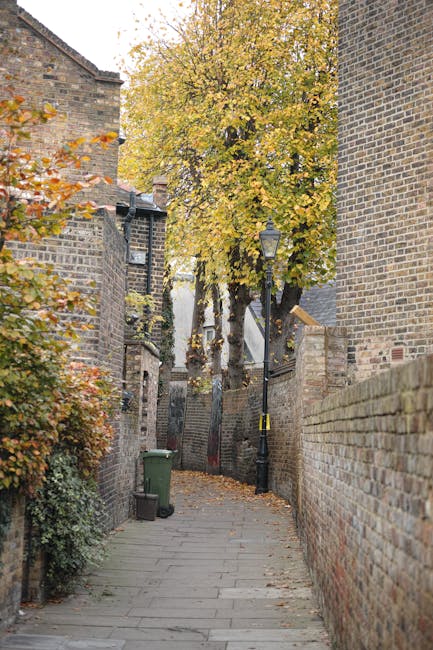
Ilchester Place house removals Holland Park narrow access tips
Posted on 09/05/2026
Ilchester Place House Removals in Holland Park: Narrow Access Tips That Make Moving Day Easier
Moving house on Ilchester Place can feel straightforward on paper and then suddenly a bit fiddly in real life. The street is elegant, the homes are desirable, and the setting is one of the reasons people love Holland Park - but narrow access, parking pressure, awkward turning space, and stair-heavy properties can make removals more complex than a typical suburban move. That is exactly why Ilchester Place house removals Holland Park narrow access tips matter.
If you are planning a move in or out of Ilchester Place, this guide walks through the practical side of doing it well: how access constraints affect the move, what to check before moving day, how to choose the right vehicle and crew, and which small decisions save the most time, stress, and money. A little planning goes a long way here. Truth be told, on streets like this, the difference between a calm move and a scramble is often just a few careful details.
For readers who want a broader feel for the area and its moving context, it can also help to look at our guide to moving in Holland Park and the practical advice in the Holland Park Avenue moving guide. Both give useful local context before you get into the finer points of access.

Why Ilchester Place House Removals Holland Park Narrow Access Tips Matters
Ilchester Place is the kind of street where the surroundings are calm, but the logistics can be anything but. In a London setting, narrow access usually means one or more of the following: limited kerbside space, tight vehicle positioning, restricted turning room, narrow front paths or hallways, shared entrances, and the need to carry furniture farther than you first expected.
That matters because removals are not just about lifting boxes. They are about sequencing. Where will the van stop? How far is the carry to the front door? Will the sofa clear the stair bend? Is there enough space for the team to work without blocking neighbours or becoming a nuisance on the pavement? These are the questions that shape the day.
On streets like Ilchester Place, a move can also affect neighbours, building managers, concierge staff, and even passing traffic. A good plan reduces delays, avoids rushed lifting, and lowers the chance of damage to door frames, banisters, floors, or the furniture itself. And yes, it also helps you keep your sanity, which is no small thing on moving day.
If you are weighing up the type of move you need, it may be useful to review the broader service mix on the services overview page and the more specific house removals Holland Park page. That helps you match the service to the reality of the property, not just the postcode.
How Ilchester Place House Removals Holland Park Narrow Access Tips Works
Good removals planning starts before the van arrives. For narrow-access properties, the job usually follows a simple but important pattern: assess, prepare, position, carry, and confirm. Each stage reduces friction.
1. Assess the access. Measure door widths, stair turns, lift sizes if there is one, and the distance from the property to the nearest safe loading point. A rough estimate is helpful, but a tape measure is better. If you have a large wardrobe, piano, or awkward corner sofa, those measurements matter a lot.
2. Prepare the route. Move rugs, shoes, lamps, and loose items out of hallways. Protect floors and corners. If the path is narrow, one stray side table can become the thing everyone trips over. Slightly annoying, very common.
3. Position the vehicle properly. In a street with limited parking, the van may need to stop where it can load safely and legally, even if that means a longer carry. Sometimes a smaller removal van or a man with a van in Holland Park setup is simply the more practical choice than sending something oversized.
4. Move in the right order. Heavy items first, fragile items secured, and frequent-use boxes kept accessible. If you are leaving a flat or townhouse with a tight staircase, the order of loading can save real time.
5. Confirm the handover. Check both properties, note any last items, and make sure nothing has been missed in cupboards, utility spaces, or behind doors. It sounds obvious. It often isn't, especially at 2:30pm when everyone is ready for tea and a sit-down.
For awkward furniture, it can help to read more about furniture removals in Holland Park and, if you have an upright or digital instrument, piano removals is worth a look too. Special items change the whole access plan.
Key Benefits and Practical Advantages
The point of planning narrow access properly is not just to avoid trouble. It creates a better move all round.
- Less risk of damage: fewer scrapes on walls, bannisters, furniture edges, and door frames.
- Faster loading and unloading: a clear route means fewer pauses and fewer awkward repositions.
- Better safety: people are less likely to trip, twist, or carry loads in an unsafe way.
- Lower stress: the day feels more controlled, even if the street is tight and the weather is doing London weather things.
- More accurate booking: the right vehicle and team size can be chosen from the start.
- Better neighbour relations: a tidy, efficient move is much less disruptive.
There is also a commercial upside. If your removals firm understands the access restrictions in advance, they can quote more accurately and plan the job properly. That usually beats finding out halfway through that the van is too large, the carry distance is longer than expected, or the staircase is a little more dramatic than the photos suggested.
To keep the move aligned with your budget, it is sensible to review pricing and quotes early. Clear access information is one of the easiest ways to avoid avoidable surprises.
Who This Is For and When It Makes Sense
This guidance is especially useful if you are:
- moving from a townhouse, terrace, or converted property with a narrow entrance;
- relocating from a flat above ground level with a cramped stairwell;
- moving large or fragile furniture that needs careful handling;
- working around restricted parking or timed loading windows;
- coordinating a same-day completion with limited flexibility;
- trying to minimise disruption for neighbours or building management;
- not sure whether a man and van, removal van, or full removal crew is the right fit.
It also makes sense for landlords, estate agents, and property managers who need the move to stay smooth and orderly. A quick, well-planned removal is a far better experience than a rushed one with boxes blocking the hall and someone saying, "It'll be fine," right before a wardrobe gets stuck. We have all seen that film before.
If you are moving into a smaller property or flat nearby, the detailed flat removals Holland Park page is a useful companion read. If your move is on a tighter timetable, same-day removals in Holland Park may be relevant too.
Step-by-Step Guidance
1. Survey the access before booking
Start with a realistic look at the property. Measure doorways, stair widths, and low ceilings. Look at the front path and any steps at the entrance. If the moving team will need to carry items more than a short distance, say so early.
If you can, take a few photos and a short video on your phone. Include the front of the property, the pavement space, the stairwell, and any awkward corners. It sounds a bit fussy, but those images can be the difference between a quick plan and an educated guess.
2. Decide what needs special handling
Large beds, mirrors, wardrobes, glass tables, antiques, and instruments should be listed separately. In narrow access situations, special items often dictate the route and the vehicle size. If a piano is involved, the route and padding requirements become more specific, and that is not something to improvise on the day.
3. Book the right type of service
Not every move needs the same setup. A small flat move may suit a man and van arrangement. A full house with lots of furniture may need a larger crew and a more structured removal service. If you are unsure, speak to a team that offers a range of options such as removal services in Holland Park and removal companies in Holland Park so you can compare what is included.
4. Prepare parking and access notes
Note where the van can legally wait, where it should not stop, and whether there are any time restrictions. In London, parking mistakes can quickly unravel an otherwise neat move. If there is no direct front access, identify the next best option and tell the crew ahead of time.
5. Pack in a way that suits narrow hallways
Use manageable box sizes. Overfilled boxes are awkward to lift and even harder to turn on staircases. Label fragile items clearly and keep essentials separate. For more packing support, the packing and boxes Holland Park page is a sensible place to start.
6. Protect the property and the route
Floor coverings, door protectors, and corner guards can help preserve the finish of the property. If the hallway is narrow, protection matters even more because people have less room to adjust loads. One careful turn at the wrong angle and a wall scuff is born. Honestly, that is how these things usually happen.
7. Re-check the timing
Moves on restricted-access streets often run best when the schedule is realistic. Build in a buffer for parking, stair carries, and completion delays. A 9:00am start does not mean all the fun begins immediately at 9:00am. There is always a bit of setup, always.
Expert Tips for Better Results
These are the details that tend to separate a decent move from a smooth one.
- Use smaller boxes for books and heavy household items. A huge box full of books is awkward, heavy, and a bit of a backache waiting to happen.
- Disassemble where sensible. Beds, tables, and some shelving units move far better when broken down into manageable parts.
- Keep a clear landing zone. The first room inside the property should not become the dumping ground for everything. Leave a space for sorting.
- Check for internal bottlenecks. Narrow access is not always outside. Sometimes the problem is the bend on the stairs, the inside hallway, or a low ceiling in an older property.
- Reserve one person for coordination. Even a small move benefits from one clear point of contact. Too many instructions at once can slow everything down.
- Tell the team about hidden risks. Loose banisters, fragile tiles, recent paintwork, or a lift with a tight angle. Mention it. No one minds a heads-up.
A small but useful habit: walk the route yourself while carrying a box or a chair-sized object before moving day. If it feels awkward with your hands empty, it will feel worse with a wardrobe. That little test tells you a lot.
And if your move includes valuable items or just things you really, really do not want scratched, it is worth reviewing insurance and safety before the day arrives. Peace of mind is underrated until you need it.

Common Mistakes to Avoid
In narrow-access house removals, the usual problems are often predictable. The good news is that most are avoidable.
- Underestimating the carry distance. "It's just outside the door" can turn into a long walk if parking is limited.
- Booking a van that is too large. Bigger is not always better on a tight London street.
- Leaving packing too late. Rushed packing creates loose items, weak boxes, and chaos at the finish line.
- Not checking stair turns. A sofa may fit in the room but fail at the bend. That happens more often than people think.
- Ignoring building rules. Some properties require advance notice, lift booking, or protection of communal areas.
- Forgetting fragile or high-value items. Mirrors, artwork, and instruments need their own plan.
One of the most common mistakes is assuming that a standard home removal works the same way everywhere. It does not. A family house with a wide drive is a very different job from a period property on a narrow Holland Park street. It's just a different beast.
Tools, Resources and Recommendations
You do not need specialist equipment for every move, but a few practical tools make life easier:
- Tape measure: for doorways, furniture dimensions, and stair widths.
- Phone camera: for photos of access points, parking, and awkward corners.
- Furniture blankets and covers: to reduce damage risk during tight carries.
- Strong packing tape and labels: to keep boxes secure and organised.
- Basic hand tools: useful for dismantling beds and flat-pack furniture.
- Floor protection materials: especially helpful in period properties and polished hallways.
In terms of service support, some moves benefit from storage if completion dates do not line up neatly. If that sounds like your situation, the storage in Holland Park page may be useful. It can take some pressure off when keys, completion times, or decorating work do not sync up as planned.
If you want to understand the wider local market before moving, the articles on buying property in Holland Park and Holland Park home sales offer a good sense of the area's housing profile. That matters because property type and moving access often go hand in hand.
Law, Compliance, Standards, or Best Practice
House removals in London do not usually involve complicated legal paperwork for the customer, but there are still practical compliance points to keep in mind.
Parking and loading rules: vans should only stop where it is permitted and safe. In areas like Holland Park, loading restrictions and kerbside space can affect the whole schedule. If a removal team is planning a kerbside load, they should do so carefully and lawfully.
Health and safety: lifting, carrying, and stair work should follow sensible manual handling practice. That means using the right team size, taking breaks where needed, and avoiding avoidable strain. It is not glamorous, but it is the backbone of a safe move.
Property care: protecting walls, floors, and shared spaces is standard best practice, especially in managed buildings and period homes. Good movers treat the property as if they live there, which is exactly what you want.
Insurance: ask what cover is included and what it applies to. Don't assume. A clear explanation before the move is always better than a fuzzy one after something has been knocked.
For a fuller view of standards and company responsibilities, you may also want to read the site's health and safety policy and terms and conditions. Those pages are useful for understanding how the service is structured and what to expect.
Options, Methods, or Comparison Table
Different move types suit different access conditions. Here is a simple comparison to help you think it through.
| Option | Best for | Strengths | Watch-outs |
|---|---|---|---|
| Man and van | Smaller moves, single flats, limited loads | Flexible, practical for tight access, often easier to position | May not suit large volumes or multiple heavy items |
| Small removal van | Medium-sized household moves with some access challenges | Good balance of space and manoeuvrability | Still needs careful parking and loading planning |
| Full house removal crew | Busy family moves, larger furniture, more packing support | More hands, more structure, better for complex logistics | May require more access room and more advance planning |
| Storage first, move later | Completion gaps, renovation delays, downsizing | Takes pressure off dates and access bottlenecks | Extra handling and coordination needed |
For many Ilchester Place moves, the practical choice is the one that reduces manoeuvring stress, not the one with the biggest headline capacity. Bigger vehicle, smaller headache? Not always. Sometimes the neat, well-planned option wins.
Case Study or Real-World Example
Imagine a typical move from a first-floor property on a quiet Holland Park street off Ilchester Place. The furniture includes a double bed, a sofa, three wardrobes, several boxes of books, and a dining table. The front access is narrow, the pavement space is limited, and the stairwell has a turn that makes long items awkward.
A rushed approach would likely go like this: a large van arrives, parking is awkward, the crew spends time repositioning, the sofa needs to be turned multiple times, and the hallway becomes congested. Everyone is active, but not especially efficient.
A better approach is much simpler. The mover shares photos in advance, the team brings the right van size, the wardrobes are dismantled before loading, the books are packed into smaller boxes, and the crew protects the stairwell and door edges. The move still takes effort - it always does - but the work becomes orderly. Less backtracking, fewer interruptions, and far less chance of damage.
That kind of practical planning is why local knowledge matters. Streets around Holland Park can look deceptively easy from the outside, yet once you factor in access, parking, and property layout, the moving strategy needs to be quite specific.
If you are comparing support levels, the about us page can help you understand the company approach, while the complaints procedure page gives useful reassurance that there is a clear process if something ever needs to be raised. Hopefully not, of course, but good to know.
Practical Checklist
Use this checklist a few days before the move. It is simple, but very effective.
- Measure the front door, stair turns, and any lift openings.
- Take photos of the access route and parking area.
- Confirm whether there are any parking or loading restrictions.
- Tell the removals team about large, fragile, or unusually shaped items.
- Choose a van size that suits the street, not just the volume of goods.
- Book any building lift slots or concierge permissions in advance.
- Pack books and heavy items into smaller boxes.
- Disassemble furniture that will not fit safely through tight spaces.
- Protect floors, corners, and bannisters where needed.
- Keep essentials, keys, documents, and chargers in one easy-to-reach bag.
- Reconfirm timing on the day before the move.
Expert summary: On narrow-access streets like Ilchester Place, the best move is usually the one that is planned around the property, not forced through it. Measure first, book carefully, and keep the route clear.
Conclusion
Ilchester Place house removals in Holland Park need a little more thought than a standard residential move, but that is not a problem once you understand the access constraints. In fact, the tightness of the street, the character of the properties, and the likely parking limits are all manageable with the right preparation. Measure properly, pack sensibly, choose the right vehicle, and keep communication clear.
Do that, and the whole day feels calmer. Not perfect, maybe. Moving days rarely are. But much calmer, and that counts for a lot. If you are moving in or around this part of London, the sensible next step is to speak to a team that understands the area, the streets, and the practical realities of narrow access. That local awareness is what turns a tricky move into a workable one.
Get a free quote today and see how much you can save.
For a better overall moving experience in the area, it can also help to review related support such as removals in Holland Park and man and van services in Holland Park. A well-matched service makes the day feel a lot less like juggling and a lot more like progress.